Dubai's rapidly evolving logistics and warehousing sector demands storage solutions that can keep pace with the emirate's ambitious growth trajectory. As businesses across the UAE continue to expand their operations, understanding the various types of Pallet Racking available in the market has become essential for making informed infrastructure decisions. In 2026, warehouse managers and business owners face an increasingly sophisticated array of storage options, each engineered to address specific operational challenges and maximize efficiency. This comprehensive guide explores the diverse pallet racking systems available in Dubai, helping you identify the perfect solution for your unique storage requirements.
Selective Pallet Racking: The Universal Storage Solution
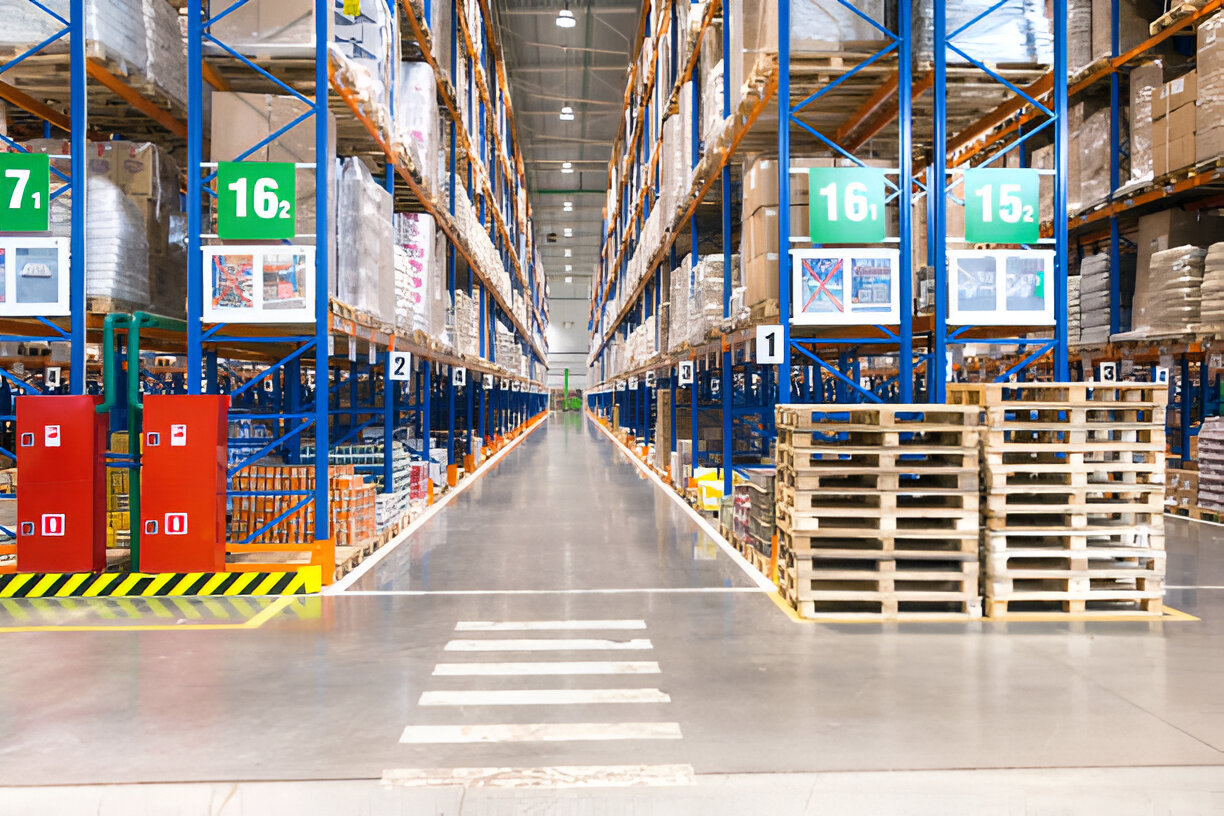
Selective pallet racking stands as the most widely adopted storage system across Dubai's diverse warehouse landscape. This popularity stems from its remarkable versatility and straightforward operational design. In a selective racking configuration, every pallet position remains directly accessible from the main aisle, eliminating the need to move other pallets to reach a specific item. This fundamental characteristic makes selective racking the go-to choice for warehouses managing diverse product ranges where immediate access to any SKU is paramount.
The system's construction follows a simple yet robust principle. Vertical upright frames, typically manufactured from high-grade steel, are connected by horizontal load beams at adjustable heights. These beams support the pallets, with each level independently adjustable to accommodate products of varying dimensions. Modern selective racking systems in Dubai can reach heights of twelve meters or more, fully utilizing the vertical space available in contemporary warehouse facilities. The spacing between uprights is calculated based on pallet dimensions, with standard configurations designed to accommodate Euro pallets (1200mm x 800mm) or standard pallets (1200mm x 1000mm).
Operational Advantages in Dubai's Market
For businesses operating in Dubai's fast-paced retail and distribution sectors, selective pallet racking delivers several critical advantages. The direct access to every pallet position significantly reduces picking time, a crucial factor when fulfilling orders for Dubai's demanding consumer market. Warehouse staff can locate and retrieve items quickly using systematic addressing methods, with many modern facilities integrating warehouse management systems that provide real-time location data for every stored item.
The system's flexibility proves particularly valuable for businesses experiencing seasonal variations in inventory composition. Retailers preparing for Dubai Shopping Festival, for instance, can easily reconfigure beam heights to accommodate different product mixes without requiring extensive downtime or specialized equipment. This adaptability extends to future growth scenarios – as your business expands, additional selective racking bays can be seamlessly integrated into existing configurations, providing a scalable storage infrastructure that grows alongside your operations.
Drive-In and Drive-Through Racking: Maximizing Storage Density
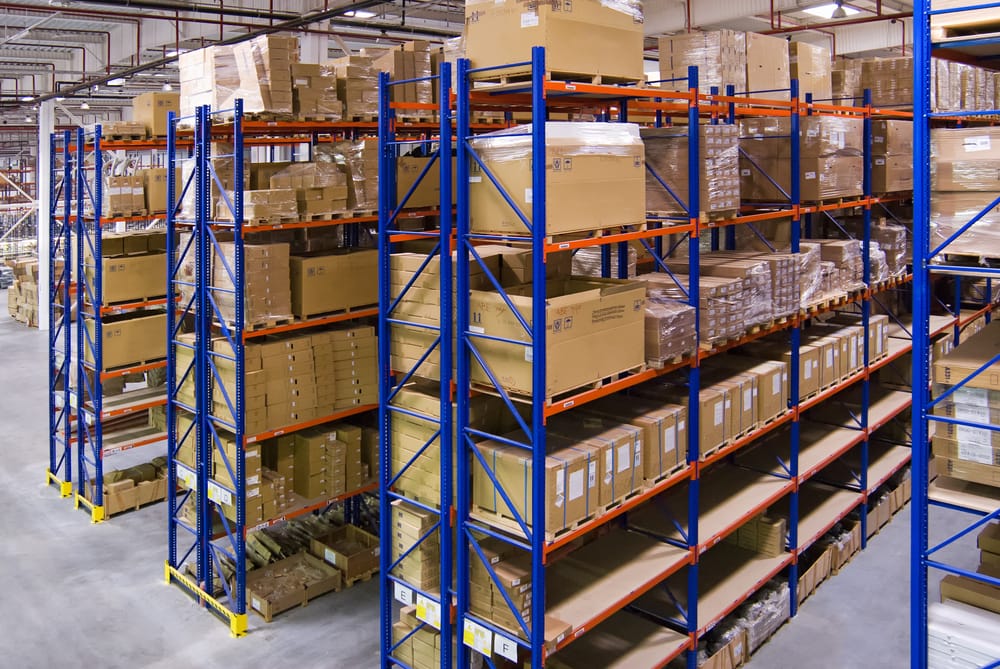
When storage density takes precedence over individual pallet accessibility, drive-in and drive-through racking systems emerge as the optimal solution. These high-density configurations eliminate the multiple aisles required by selective racking, instead creating storage lanes where forklifts drive directly into the racking structure to deposit or retrieve pallets. This fundamental design difference allows warehouses to increase storage capacity by 75-85% compared to selective systems occupying the same floor space.
The distinction between drive-in and drive-through systems lies primarily in their access configuration and resulting inventory flow. Drive-in racking features a single entry/exit point, creating a last-in, first-out (LIFO) inventory system. Forklifts enter the storage lane, navigate past previously stored pallets, and place new arrivals at the deepest available position. Retrieval follows the reverse pattern, with the most recently stored pallets being the first to be removed. This configuration maximizes density but limits stock rotation capabilities.
Drive-through racking addresses the LIFO limitation by providing access points at both ends of each storage lane. This dual-access design enables first-in, first-out (FIFO) inventory management, essential for warehouses storing perishable goods, pharmaceuticals, or any products with expiration dates or freshness considerations. Forklifts load pallets from one end and retrieve from the opposite end, ensuring older stock naturally moves forward for selection. Dubai's extensive food distribution network makes drive-through racking particularly popular among cold storage facilities and food wholesalers operating in the emirate.
Ideal Applications in the UAE Context
Drive-in and drive-through systems excel in several scenarios common to Dubai's industrial landscape. Cold storage operations, where every cubic meter of refrigerated space carries significant operational cost, benefit enormously from the density these systems provide. By minimizing aisle space and maximizing pallet positions, businesses reduce the volume of expensive cold air they must maintain, directly impacting energy costs in Dubai's challenging climate.
Seasonal product storage represents another perfect application. Many Dubai businesses import large quantities of specific products during particular seasons – toys before Eid celebrations, decorations before National Day, or air conditioning units before summer. Drive-in racking allows these businesses to efficiently store substantial volumes of identical products during off-peak periods, then systematically deplete inventory as demand surges. The LIFO configuration works perfectly when product differentiation within the stored items is minimal and rotation isn't critical.
Technical Considerations for Drive-In Systems
- Lane Depth: Typically limited to 5-8 pallets deep to maintain safe operation and reasonable retrieval times
- Rail System: Guide rails on both sides of storage lanes protect uprights from forklift impact and ensure safe navigation
- Forklift Requirements: Operators need specialized training for navigating confined spaces within racking structures
- Stock Homogeneity: Each lane should contain the same product to maximize efficiency and avoid sorting challenges
- Structural Loading: The continuous loading pattern requires robust structural design to handle accumulated weights
Double-Deep Racking: Balancing Density and Accessibility
Double-deep racking represents a middle ground between the complete accessibility of selective systems and the maximum density of drive-in configurations. In this arrangement, pallets are stored two positions deep from each aisle, effectively doubling the storage density compared to selective racking while maintaining better individual pallet access than high-density alternatives. This compromise makes double-deep systems increasingly popular among Dubai warehouses seeking to optimize space utilization without completely sacrificing direct access to inventory.
The operational mechanics require specialized material handling equipment. Standard forklifts cannot reach the rear pallet positions in double-deep configurations. Instead, warehouses utilize reach trucks equipped with extended forks or double-deep reach mechanisms that can maneuver past the front pallet to access the rear position. While this equipment requirement represents an additional investment, the increased storage capacity typically justifies the expenditure within twelve to eighteen months of operation.
Strategic Implementation Considerations
Successful double-deep implementation requires thoughtful planning regarding inventory placement. The most effective strategy involves storing two pallets of the same SKU in each double-deep position – one in front, one behind. This configuration minimizes the frequency of needing to move front pallets to access rear positions, maintaining operational efficiency. For warehouses with moderate product variety but multiple pallets per SKU, this arrangement provides an ideal balance.
Dubai's electronics and consumer goods distributors frequently adopt double-deep racking because their inventory profiles align perfectly with this system's strengths. These businesses typically maintain several pallets of each product line – perhaps three to four pallets of a particular television model or smartphone variation – making the two-deep configuration highly efficient. When compared to the single-deep accessibility of selective racking versus the complete density focus of drive-in systems, double-deep racking occupies a valuable middle position that suits many operational profiles.
Push-Back Racking: Dynamic High-Density Storage
Push-back racking introduces dynamic functionality to high-density storage, using inclined cart systems that create a semi-automated LIFO storage solution. When a forklift loads a pallet, it pushes against the previously stored pallets, causing them to roll backward on a series of nested carts. Upon retrieval, gravity automatically brings the next pallet forward to the pick face, eliminating manual repositioning and significantly accelerating operational flow. This automated forward movement makes push-back systems particularly efficient for high-throughput operations common in Dubai's distribution centers.
Modern push-back systems in Dubai warehouses typically accommodate between two to six pallets deep per storage lane. The incline of the rail system, usually between three to five degrees, provides sufficient gravitational force to ensure reliable forward movement while maintaining safe, controlled pallet positioning. Each storage position operates independently, meaning different lanes within the same bay can contain different products, providing significantly more flexibility than drive-in configurations where entire lanes must typically be dedicated to single SKUs.
Operational Benefits and Technical Requirements
The efficiency gains from push-back systems become particularly apparent in fast-moving inventory scenarios. Consider a distribution center supplying Dubai's retail sector with bottled beverages. Using push-back racking, staff can load three to four pallets of each beverage type into dedicated lanes. As the front pallet is picked for an order, the next automatically presents itself at the pick face without requiring additional forklift movements. This automatic replenishment reduces travel time and increases picking productivity by twenty to thirty percent compared to conventional selective systems.
The cart-based mechanism does require higher initial investment compared to static racking systems. Quality push-back installations utilize robust roller wheels, precise track alignment, and sturdy cart construction to ensure reliable operation under continuous use. However, the operational savings through reduced labor requirements and faster cycle times typically justify this premium, especially for high-volume operations where every second of operational efficiency translates to tangible cost savings.
Pallet Flow Racking: First-In, First-Out Perfection
Pallet flow racking, also known as gravity flow or FIFO racking, represents the pinnacle of automated inventory rotation. This system utilizes roller conveyors set at a carefully calculated incline to move pallets automatically from the loading end to the picking end using only gravity. Operators load new pallets at the higher rear of each lane, and these pallets gradually flow forward to the front pick face as preceding pallets are removed. This continuous flow ensures perfect FIFO inventory management without requiring any manual intervention or energy consumption beyond the initial loading action.
The engineering sophistication behind effective pallet flow systems is considerable. Roller spacing, incline angles, speed controllers, and braking mechanisms must all be precisely calibrated to ensure pallets move smoothly without gaining dangerous momentum or jamming. Dubai's warehouses handling pharmaceutical products, perishable foods, or electronics with defined shelf lives particularly value this reliable FIFO capability. The system essentially creates dedicated channels where products naturally move from newest to oldest, eliminating the human error that can occur in manual rotation systems.
Perfect Applications in Dubai's Specialized Sectors
The pharmaceutical distribution sector in Dubai extensively utilizes pallet flow racking due to strict regulatory requirements regarding batch tracking and expiration date management. Each flow lane can be assigned to a specific product and batch number, with the oldest batch automatically presenting at the pick face. This configuration ensures compliance with Dubai Health Authority regulations while minimizing the labor required for stock rotation verification. The system's self-managing nature reduces human error in batch selection, a critical factor when dealing with medications where incorrect rotation could have serious consequences.
Dubai's extensive food import and distribution network similarly benefits from pallet flow systems. Warehouses handling frozen goods, fresh produce, or packaged foods implement flow racking to guarantee optimal rotation without constant manual monitoring. The system works continuously, twenty-four hours a day, maintaining perfect product flow regardless of picking patterns or warehouse activity levels. This consistency proves invaluable during peak demand periods when manual rotation verification might be overlooked due to operational pressures.
Cantilever Racking: Specialized Storage for Long Items
While not strictly a guird pallet racking system, cantilever racking deserves mention as an essential specialized storage solution used extensively in Dubai's construction materials, furniture, and manufacturing sectors. Unlike conventional pallet racking with front-facing vertical supports, cantilever systems feature columns with horizontal arms extending outward, creating unobstructed storage bays perfect for long, bulky items that don't suit standard pallet dimensions.
Dubai's thriving construction industry creates substantial demand for cantilever racking to store steel beams, pipes, timber, aluminum profiles, and other lengthy materials. Furniture wholesalers and manufacturers use cantilever systems to store doors, panels, sheets of material, and assembled furniture components that exceed standard pallet footprints. The system's open front design allows forklift operators to easily load and retrieve items of varying lengths without the restrictions imposed by front-facing uprights.
Heavy-Duty and Light-Duty Configurations
Cantilever systems in Dubai warehouses range from light-duty configurations supporting a few hundred kilograms per arm to heavy-duty industrial systems capable of handling several tons per level. The construction materials sector particularly requires robust heavy-duty systems to safely store steel products and other dense materials. These industrial-grade installations feature reinforced columns, thicker arm profiles, and substantial base plates to manage the extreme loads involved in storing structural steel and similar products.
Adjustability represents a key advantage of cantilever racking. Arms can be repositioned vertically to accommodate items of different heights, and the spacing between arms can vary along the same column to store items of varying lengths in different sections. This flexibility makes cantilever systems highly efficient for businesses with diverse product ranges within the long-goods category. A single installation can accommodate both six-meter steel pipes and three-meter timber planks, with arm configurations optimized for each specific storage requirement.
Mobile Racking Systems: Maximum Density for Specialized Applications
Mobile racking systems, also called compact or movable racking, represent the ultimate solution for maximizing storage density in warehouses where space availability is severely constrained. These sophisticated systems mount entire racking bays on mobile bases that move along floor-mounted tracks. Rather than maintaining permanent aisles between all racking bays, mobile systems compress together, creating a solid block of storage. When access is needed to a particular bay, the relevant racking units separate via electronic or manual controls, temporarily creating an aisle exactly where required.
This approach can increase storage capacity by forty to fifty percent compared to static selective racking in the same footprint. The dramatic space savings make mobile racking attractive for high-value storage scenarios where the premium cost of the system is justified by the value of the additional storage capacity created. Dubai warehouses handling luxury goods, high-value electronics, or pharmaceutical products where security and space optimization are both priorities find mobile systems particularly appealing.
Implementation Considerations and Technical Requirements
guide for Mobile racking systems demand careful consideration of floor specifications and building characteristics. The concentrated weight of multiple compressed racking bays requires exceptionally strong floor construction, typically necessitating reinforced concrete slabs with higher load ratings than standard warehouse floors. The track system must be precisely installed to ensure smooth, reliable movement of the loaded racking units, and adequate electrical infrastructure is needed for powered systems.
Access speed represents the primary operational trade-off. While mobile systems dramatically increase density, they sacrifice the immediate accessibility of conventional static racking. When staff need to access a particular bay, they must first open the relevant aisle by moving adjacent racking units, a process that might take thirty seconds to a minute depending on system specifications. For this reason, mobile racking works best for slower-moving inventory or archival storage rather than high-frequency picking operations. Dubai businesses use mobile systems effectively for seasonal inventory storage, archived documents, or reserve stock that isn't accessed daily but needs secure, space-efficient storage.
Narrow Aisle and Very Narrow Aisle (VNA) Racking
Narrow aisle racking systems optimize storage density by reducing the width of operational aisles compared to conventional selective racking configurations. Standard selective racking requires aisles of 2.7 to 3.5 meters to accommodate counterbalance forklifts. Narrow aisle systems reduce this requirement to approximately 1.6 to 2.0 meters by utilizing specialized reach trucks or turret trucks that operate within tighter confines. Very narrow aisle systems push this concept further, reducing aisles to just 1.4 to 1.6 meters through the use of specialized VNA trucks that operate on guide rails or wire guidance systems.
The space savings achieved through aisle reduction directly translate to increased pallet positions. A warehouse converting from standard selective racking to VNA configuration might increase storage capacity by thirty to forty percent without changing the building footprint or racking height. For Dubai businesses facing high warehouse rental costs, this density improvement provides immediate financial benefits through reduced cost-per-pallet-stored or the ability to handle growing inventory without relocating to larger premises.
Equipment and Operational Considerations
Implementing narrow or very narrow aisle systems requires investment in specialized material handling equipment. Standard counterbalance forklifts cannot operate effectively in these confined spaces. Instead, warehouses must deploy reach trucks for narrow aisle configurations or dedicated VNA trucks for very narrow aisle installations. These specialized vehicles come with higher acquisition costs than conventional forklifts, but the increased storage density typically justifies the investment within two to three years of operation.
VNA systems in particular demand precise installation and careful operational protocols. The extremely narrow aisles leave minimal margin for error, necessitating guide rails or guidance systems to keep trucks perfectly aligned. Many Dubai warehouses implement wire-guided or rail-guided VNA systems where trucks automatically maintain center-line positioning within aisles, reducing the skill level required for safe operation and minimizing the risk of accidental racking impacts. The combination of guide systems and operator training ensures these high-density configurations operate safely despite their tight tolerances.
Mezzanine Floor Racking: Vertical Expansion Solutions
Mezzanine floor racking systems take vertical space utilization to the next level by creating entirely new floor levels within existing warehouse heights. These engineered platforms, supported by the racking structure itself or independent columns, effectively double or even triple usable floor space by adding one or two intermediate levels above the ground floor. Dubai warehouses with high ceilings – often eight meters or more – can dramatically increase capacity by installing mezzanine systems without any building expansion.
The integration of mezzanine floors with pallet racking creates remarkably efficient storage configurations. The ground level might accommodate pallet racking for forklift-accessible bulk storage, while upper mezzanine levels house hand-pick shelving, small parts inventory, or additional pallet positions accessed via specialized equipment. This multi-level approach allows warehouses to segregate different inventory types or operational functions vertically, optimizing each level for its specific purpose while maximizing overall space utilization.
Design and Safety Considerations
Mezzanine installations require careful structural engineering to ensure safe load distribution and compliance with Dubai's building codes. The design must account for the weight of both the stored products and the foot traffic or equipment that will operate on upper levels. Modern mezzanine systems in Dubai utilize high-strength steel construction with load capacities clearly rated and certified by professional engineers. The structural analysis considers concentrated loads from racking systems, distributed loads from stored inventory, and live loads from personnel and material handling equipment.
Safety features form an integral part of any mezzanine installation. Perimeter edge protection, typically consisting of handrails and kick plates, prevents falls from elevated levels. Staircases or safety gates control access points, and clearly marked load capacity signage ensures users don't exceed design limitations. For larger installations, goods lifts or conveyors facilitate efficient material movement between levels, eliminating the need to carry items up stairs and significantly improving operational productivity. Dubai's regulatory environment requires comprehensive safety documentation for mezzanine installations, including structural calculations, load capacity certifications, and compliance verification with local building codes.
Comparison Table: Pallet Racking Systems at a Glance
| Racking Type | Storage Density | Accessibility | Best For | Initial Cost |
|---|---|---|---|---|
| Selective | Standard | 100% Direct Access | High SKU diversity, fast-moving goods | $$ |
| Drive-In/Through | Very High (75-85% improvement) | LIFO/FIFO lanes only | Low SKU diversity, cold storage | $$$ |
| Double-Deep | High (40% improvement) | 50% Direct Access | Moderate SKU diversity, multiple pallets per SKU | $$$ |
| Push-Back | High (50-60% improvement) | LIFO per lane | Medium SKU diversity, high throughput | $$$$ |
| Pallet Flow | High (60-70% improvement) | FIFO per lane | Perishables, pharmaceuticals, date-sensitive | $$$$$ |
| Narrow Aisle/VNA | High (30-40% improvement) | 100% Direct Access | High SKU diversity, limited floor space | $$$$ |
| Mobile | Very High (40-50% improvement) | Sequential access | High-value goods, archive storage | $$$$$ |
| Cantilever | Specialized | 100% Direct Access | Long items, construction materials | $$$ |
Selecting the Right System for Your Dubai Warehouse
Choosing the optimal pallet racking system requires comprehensive analysis of your specific operational requirements, inventory characteristics, and business objectives. No single system suits every application – each offers distinct advantages that align better with certain operational profiles. Understanding these trade-offs helps ensure your storage infrastructure investment delivers maximum long-term value.
Key Decision Factors
Inventory Profile: The number of different SKUs you manage fundamentally influences system selection. Operations with thousands of unique products naturally gravitate toward selective or narrow aisle systems that provide direct access to every item. Conversely, businesses storing large quantities of relatively few products find drive-in, push-back, or flow systems more efficient.
Stock Rotation Requirements: Products with expiration dates, batch tracking requirements, or freshness considerations demand FIFO capability, pointing toward pallet flow or drive-through systems. Operations where product age is irrelevant can utilize simpler LIFO systems like drive-in or push-back racking.
Throughput Volume: High-volume distribution operations benefit from systems that accelerate picking cycles, such as pallet flow or push-back racking where products automatically present at pick faces. Lower-volume operations can accept the slightly slower access times of drive-in systems or mobile racking in exchange for maximum density.
Available Space and Building Characteristics: Ceiling height, floor load capacity, column spacing, and total square footage all constrain or enable certain system types. Buildings with limited floor space but high ceilings suit narrow aisle or mezzanine solutions. Facilities with abundant floor area might optimize with selective systems. Older buildings with lower floor load ratings may preclude heavy mobile systems.
Material Handling Equipment: Your existing or planned forklift fleet influences system compatibility. Standard counterbalance forklifts work perfectly with selective racking but cannot effectively operate in narrow aisle configurations. If you're not prepared to invest in specialized VNA trucks, very narrow aisle systems aren't practical regardless of their density advantages.
Budget Considerations: Initial capital investment requirements vary dramatically across system types. Selective racking represents the most economical option, while sophisticated systems like pallet flow or mobile racking command premium prices. However, the higher-density systems often provide superior return on investment through reduced space costs or avoided facility expansion expenses.
Need Expert Guidance on Racking Systems?
Our team specializes in designing and installing pallet racking solutions perfectly matched to your operational requirements.
Pallet Racking Near MeInstallation and Project Management Considerations
Successful pallet racking implementation extends beyond system selection to encompass professional installation and careful project management. The quality of installation directly impacts system safety, longevity, and operational efficiency. Dubai's regulatory environment demands that warehouse racking installations meet specific standards and undergo proper inspection and certification processes.
Professional Installation Requirements
Qualified installers ensure that racking systems are erected according to manufacturer specifications and relevant safety standards. This begins with accurate floor assessment to verify sufficient load capacity and levelness. Uneven floors can create dangerous stress concentrations in racking structures, potentially leading to premature failure. Professional installers use precision leveling equipment to detect even minor variations and implement appropriate correction measures such as shims or floor preparation before commencing installation.
Anchor installation represents another critical element requiring professional expertise. Pallet racking must be securely fastened to the floor using appropriate anchor bolts specified for the expected load conditions and floor type. Inadequate anchoring compromises structural stability and creates serious safety hazards. Dubai's building codes specify minimum anchoring requirements, and professional installers ensure full compliance with these regulations while providing documentation for certification purposes.
Safety Inspections and Ongoing Maintenance
Post-installation inspection verifies that the completed system meets all design specifications and safety standards. Independent inspectors examine structural connections, verify proper component installation, check load capacity signage, and ensure adequate safety features like frame protectors and end guards. This inspection process generates documentation required for Dubai Municipality compliance and provides baseline reference for future maintenance activities.
Ongoing maintenance preserves system integrity and ensures continued safe operation. Regular inspections should identify damage from forklift impacts, check for loose connections, verify that load capacities aren't being exceeded, and document any repairs or modifications. Dubai's climate, particularly in non-climate-controlled warehouses, can accelerate corrosion of steel components, making periodic inspection particularly important for identifying environmental deterioration before it compromises structural strength. Many businesses engage professional racking inspection services annually to ensure compliance with safety standards and identify potential issues before they become serious problems.
Future Trends in Pallet Racking Technology
The pallet racking industry continues evolving, incorporating new technologies and design innovations that promise to further enhance warehouse efficiency. Dubai's position as a global logistics hub means these advanced systems often appear in the emirate shortly after their international introduction, as businesses compete to maintain operational advantage through cutting-edge infrastructure.
Automated Storage and Retrieval Integration
The integration of automated storage and retrieval systems (AS/RS) with pallet racking represents one of the most significant technological advances. These systems utilize computer-controlled cranes or shuttles that automatically store and retrieve pallets from high-density racking configurations without human intervention. Dubai warehouses, particularly in the e-commerce and pharmaceutical sectors, increasingly implement AS/RS solutions to achieve maximum throughput while minimizing labor requirements.
Modern AS/RS installations can handle hundreds of pallet movements per hour with exceptional accuracy. The systems integrate seamlessly with warehouse management software, automatically executing storage and retrieval tasks based on order requirements. This automation eliminates human error in picking, accelerates throughput, and allows facilities to operate continuously without shift changes affecting productivity. While AS/RS systems require substantial capital investment, the operational savings through reduced labor costs and increased accuracy typically justify the expenditure for high-volume operations.
Smart Racking with IoT Integration
Internet of Things (IoT) technology is transforming pallet racking from passive storage infrastructure into intelligent systems that actively monitor and report on warehouse operations. Sensors embedded in racking structures can detect impacts, monitor load weights, track environmental conditions, and provide real-time data on inventory locations. Dubai warehouses handling temperature-sensitive products particularly value this capability, as sensors can continuously verify that cold chain requirements are being maintained throughout the facility.
Smart racking systems feed data into centralized warehouse management platforms, providing unprecedented visibility into operational performance. Managers can identify frequently damaged racking sections, suggesting operational improvements or layout modifications. Weight sensors can alert staff before load capacities are exceeded, preventing dangerous overloading situations. Location tracking enables real-time inventory visibility without manual scanning, dramatically improving inventory accuracy while reducing labor requirements for cycle counting activities.
Conclusion: Investing Wisely in Warehouse Infrastructure
The diversity of pallet racking systems available in Dubai's market in 2026 reflects the sophisticated storage requirements of modern warehouse operations. From the universal accessibility of selective racking to the maximum density of drive-in configurations, from the automated efficiency of pallet flow systems to the specialized capabilities of cantilever racking, each system type serves specific operational needs with distinct advantages and trade-offs.
Successful system selection requires thorough analysis of your inventory characteristics, operational workflows, growth projections, and budget parameters. The most expensive system isn't necessarily the best choice, nor is the most economical option if it fails to meet your operational requirements. The optimal solution aligns system capabilities precisely with your business needs, delivering maximum operational efficiency and return on investment over the system's working life.
As Dubai continues its trajectory as a global logistics and distribution hub, efficient warehouse operations become increasingly critical to business success. The storage infrastructure you implement today shapes your operational capabilities for the next decade or more. Partnering with experienced racking specialists who understand Dubai's unique market conditions, regulatory requirements, and operational challenges ensures your warehouse infrastructure investment delivers lasting value and supports your business growth objectives well into the future.
Take the time to thoroughly evaluate your options, consult with qualified professionals, and select the pallet racking system that genuinely suits your specific requirements. Your warehouse infrastructure represents a significant investment – make certain it's the right investment that will serve your business effectively for years to come.